 Magyarul / Hungarian


- Scientific name: Taia naticoides
- Synonyms: Paludina naticoides (Theobald, 1866)
- Common name: Piano Snail
- Group: Invertebrates
- Distribution: Southeast Asia, Myanmar (Burma), Lake Inle
- Size: 3-4 cm
- Biotope: Found in sediment-rich, shallow swamps near the coastline of the lake.
- Social behavior: Peaceful, shy, slow-moving snail, that can be kept with other species.
- Diet: Omnivorous; In nature they search for food in the sediment, and feed on algae or biofilm that found on underwater surfaces. In the aquarium they eat all kinds of fishfoods and plant matter.
- Breeding: Quite easy
- Tank: Minimum 30 litres
- Population: 3-4 snail for 30 litres
- Decoration: Densely planted aquarium with many hiding places and river sand bottom. They do not like strong currents and bright lights. Dried leaves can be added to the aquarium to provide more natural environment.
- Temperature: 23-28 °C
- pH: 7.0-8.0
- Hardness: 6.0-22.0 dGH
- Lifespan: 3-4 years
These snails are not hermaphrodites, males and females can be distinguished very well in this separately sexed snail, since the right antennae is thickened in the males, while on the females these antennaes are equally thick. It serves as a mating organ.
Piano Snails are freshwater livebearing snais. Every couple of weeks, mostly at night, the females release a single living young snail, that is about 2-4 mm in height. It seems that the females can produce offspring of different sizes. Not a prolific snail, population explosion is not to be expected, even with the best housing conditions. They become sexually mature at three months. Due to the constant temperatures in the aquarium, fertilization is possible throughout the year and up to 20 youngsters are born every year.
http://www.molluscabase.org/aphia.php?p=taxdetails&id=1296229
https://www.aquasnails.com/shop/piano-snail-taia-naticoides
https://aquarito.com/snail/taia-naticoides-nubby-piano-snail
https://www.honeygourami.com/snails/piano-snail


(Butterfly splitfin)
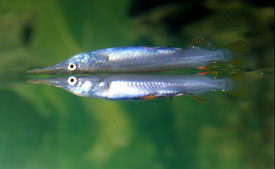
(Half beak)

(Sailfin molly)
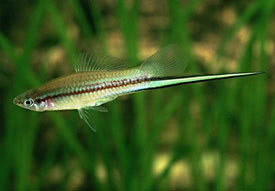
(Swordtail)

(Platy)

(Variegated platy )
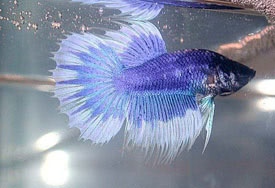
(Betta, Siamese fighting fish)
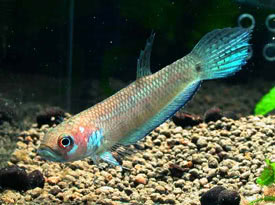
(One spot mouthbrooder)

(Honey gourami)
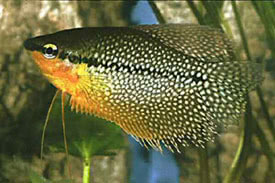
(Pearl gourami)
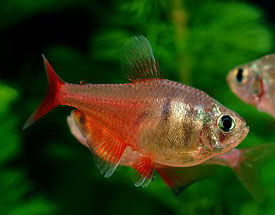
(Flame tetra, Red tetra)
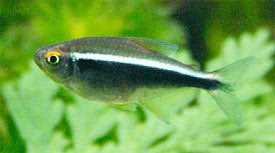
(Black neon tetra)

(Lemon tetra)
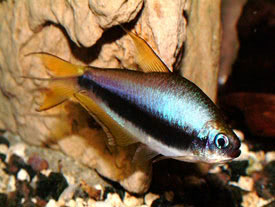
(Emperor tetra)
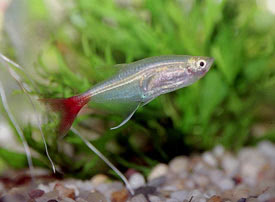
(Glass bloodfish, Glass bloodfin)
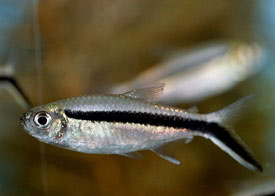
(Blackline penguinfish)
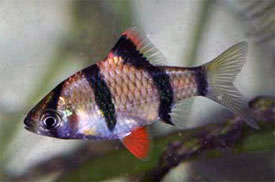
(Tiger barb)
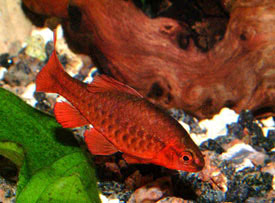
(Cherry barb)
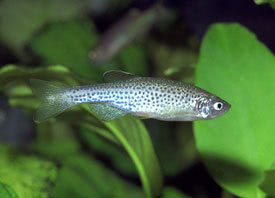
(Leopard danio)
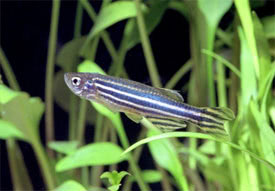
(Zebra danio)
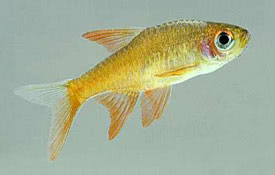
(Orange-finned barb)
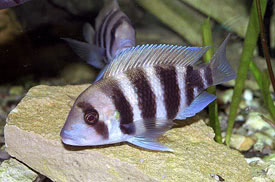
(Frontosa)

(Nicaragua cichlid)

(Flower horn fish)
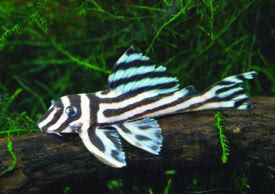
(Zebra pleco)

(Cuckoo Synodontis, Multi-spotted synodontis )
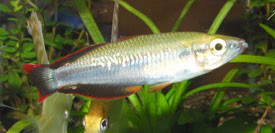
(Madagascar rainbowfish)

(Neon rainbow)

(Bluegreen lampeye)
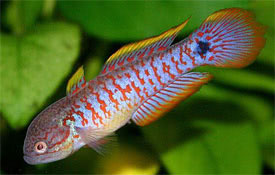
(Peacock gudgeon)

(Bumblebee goby)

(Mono, Fingerfish)

(Scat, Spotted scat)

(Green pufferfish)
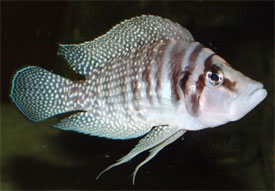
(Pearly lamprologus)

(Compressed cichlid)
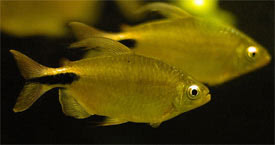
(Long-finned characin)

()
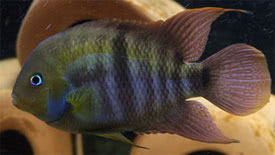
(T-bar cichlid)

(Slender cichlid)
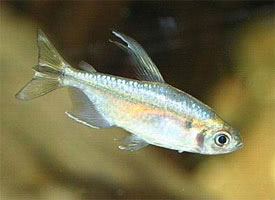
(Yellow Congo Tetra)
(Yellow cabomba, Giant cabomba)
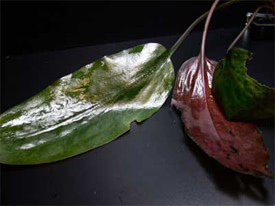
(Giant crypt)
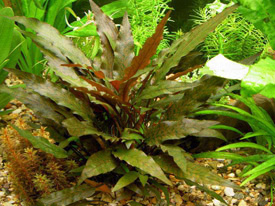
()

(Dauben's waterlily)

(Patrizi's Notho, Red-tailed Torquoise Notho)
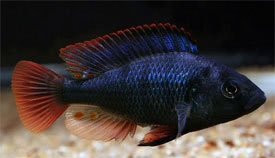
(Blue Victoria Mouthbrooder)

(Playfair's Panchax)

(Giant Puffer)

(Congo Puffer)

(Redhump eartheater)

(Blunt-Jaw Elephantnose)
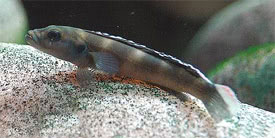
(Brichard's slender cichlid)

(One-spot Synodontis, Domino Syno)

(Zebra Shovelnose)
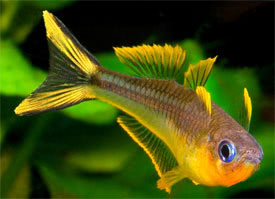
(Forktail rainbowfish)
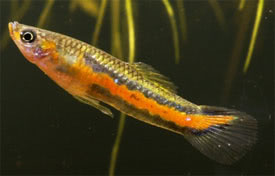
(Para molly)

(Indonesian Tiger Fish)
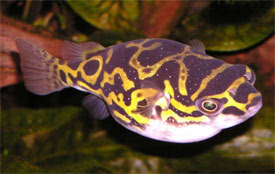
(Figure Eight Puffer, Eye Spot Puffer)

(Seba Mono)

(Banded ctenopoma)

(Barfin Synodontis, White-Barred Synodontis)

(Fahaka Puffer, Nile Puffer)

(Banded jewel cichlid, Five Star General)

(Orinoco sailfin catfish)