 Magyarul / Hungarian


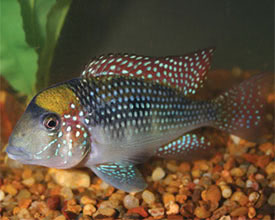

- Scientific name: Gymnogeophagus gymnogenys
- Synonyms: Geophagus gymnogenys (Hensel, 1870), Geophagus pygmaeus (Hensel, 1870), Geophagus camurus (Cope, 1894)
- Common name: Smooth-cheek eartheater
- Group: Cichlids
- Distribution: South America; Brazil, Uruguay
- Size: Male: 20 cm, female: 15 cm
- Biotope: Mostly found in slow-flowing waters, in small streams to large rivers or in still waters with sandy or muddy bottoms, typically at the bank region.
- Social behavior: Territorial, but basically a peaceful fish, They can be kept in a community aquarium with other peaceful fish that inhabit the upper levels of the tank.
- Diet: Omnivorous; They will eat live, frozen and quality dried foods too. They are eartheaters: take the substrate in their mouths and eject it through their gills, while retain any edible food they find. Occasionally give them some vegetable matter, such as spirulina tablets or spinach.
- Breeding: Quite easy
- Tank: Minimum 200 litres
- Population: 1 male and 2-3 females for 300 litres
- Decoration: Use a sand or fine gravel substrate, because they like to burrow. Therefore only robust, potted plants should be used as they may uproot them. Use larger rocks, roots and driftwoods to create some hiding places.
- Temperature: 21-25 °C
- pH: 6.5-7.5
- Hardness: 1.0-10.0 dGH
- Lifespan: 5-8 years
Males are more colorful and may develop a nuchal hump.
Because males need to court the favour of females by means of striking coloration, dominant males exhibit their finest colours almost all of the time in the aquarium. Courtship is however actually initiated by the female. She begins by cleaning the spawning substrate, and then butts the male in the side to draw his attention. The most strinking feature of courtship is the mouth snapping in front of the female, like at Geophagus steindachneri. The female lays up to a hundred amber-colored eggs in the substrate, and the male fertilises them. In general a slightly sloping or horizontal stone serves as substrate. After spawning the female alone undertakes the care of the eggs and fry, so the eggs are sprinkled with sand to camouflage them. The female hovers above the eggs and fans fresh water over them with her pectoral fins. Then the female frees the larvae from their shells after 48 hours, and takes them into the shelter of her mouth. Once the female has picked up the larvae in her mouth she becomes extremely aggressive, and in a restricted space this can lead to the male being injured. However heterospecific tankmates are attacked the most violently, such that it may be necessary to move the brooding female to another aquarium or use a divider. After 12 days the free-swimming fry are released from the mouth and spat into a pit dug by beats of the mother's fins. The fry can immediately be fed with Artemia nauplii. The female will guard her fry for a very long time. The fry grow very slowly, but make few demands of the aquarist.
https://www.fishbase.se/summary/12377
http://www.tfhmagazine.com/details/articles/gymnogeophagus-the-glittering-eartheaters-of-the-far-south.htm
Thomas Weidner - South American Eartheaters

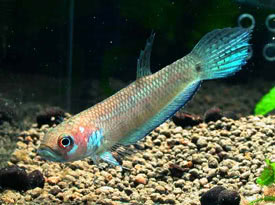
(One spot mouthbrooder)

(Honey gourami)
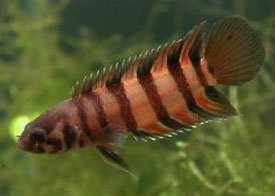
(Ornate ctenopoma)
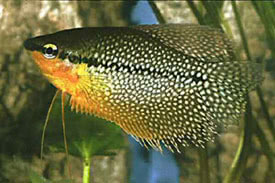
(Pearl gourami)
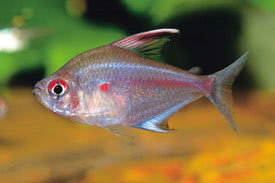
(Bleeding heart tetra)
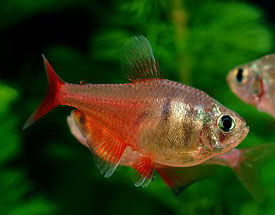
(Flame tetra, Red tetra)
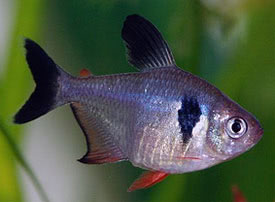
(Black phantom tetra)
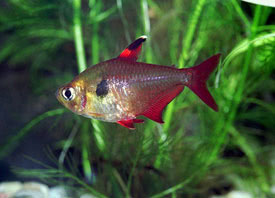
(Red phantom tetra)
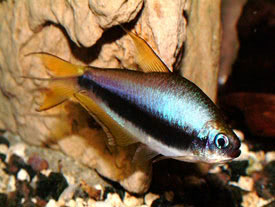
(Emperor tetra)
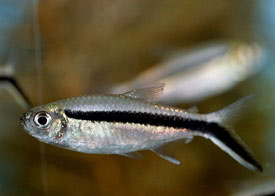
(Blackline penguinfish)
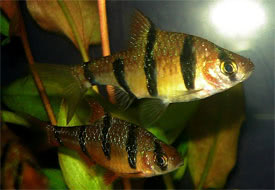
(Five-banded barb)
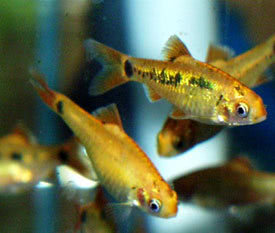
(Gold barb)
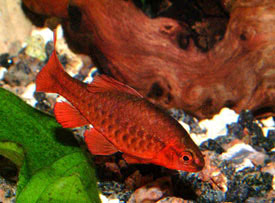
(Cherry barb)
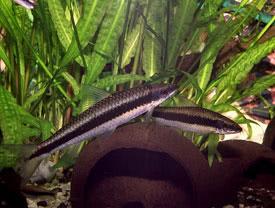
(Siamese algae eaters)
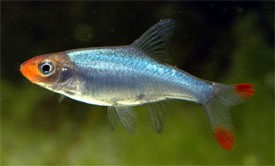
(Rummy nose rasbora)
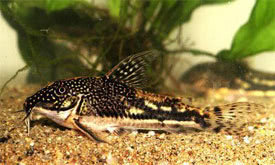
(Giant Cory, Barbatus Catfish)
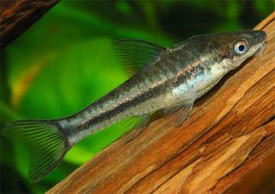
(Midget Catfish, Midget Sucker Catfish)
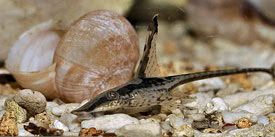
(Giant Whiptail, Golden Whiptail)
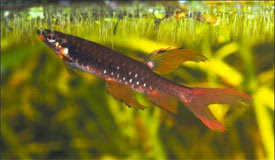
(Splash tetra)

(Bluegreen lampeye)
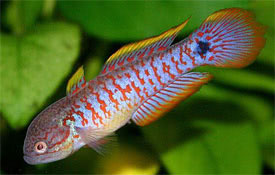
(Peacock gudgeon)
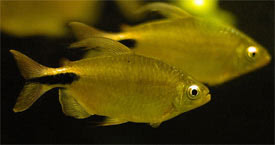
(Long-finned characin)
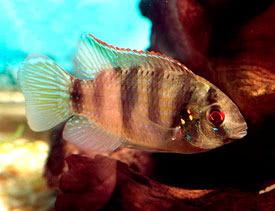
(African butterfly cichlid)
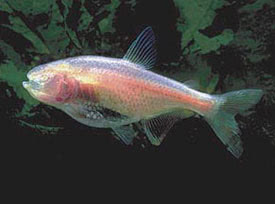
(Mexican tetra)

(Blue tetra, Cochu's Blue Tetra)
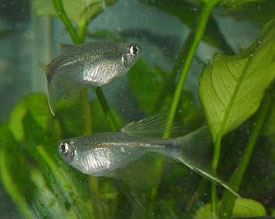
(Swordtail characin)
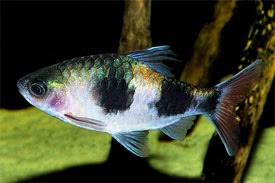
(Arulius barb)
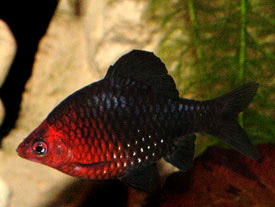
(Black-ruby barb)
(Red hygrophila)
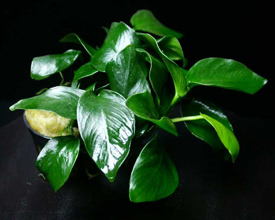
(Dwarf anubias)
(Congo anubias)
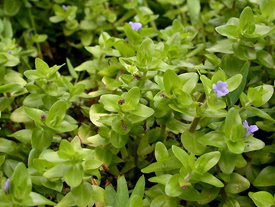
(Giant bacopa)
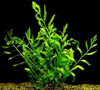
(African fern, Congo fern)
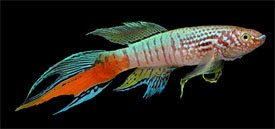
(Golden Pheasant, Red Aphyosemion)
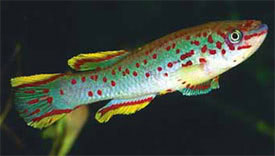
(Steel-blue Aphyosemion)

(Red-chinned Panchax, Black-lipped Panchax)
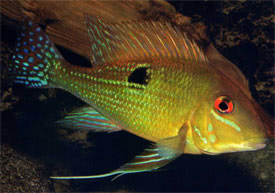
(Red-Striped Earth Eater)
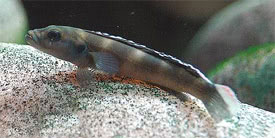
(Brichard's slender cichlid)
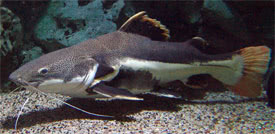
(Red tailed catfish)

(Flying Fox)
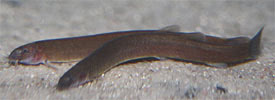
(Cinnamon Loach)
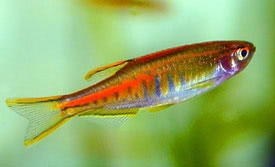
(Glowlight Danio)
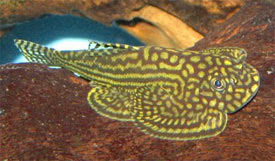
(Tiger Hillstream Loach)
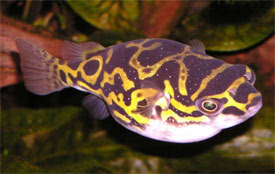
(Figure Eight Puffer, Eye Spot Puffer)
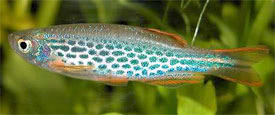
(Orange-Finned Danio)
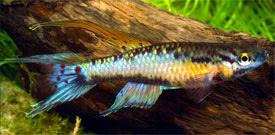
(Twostripe lyretail)
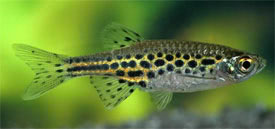
(Gold Ring Danio)
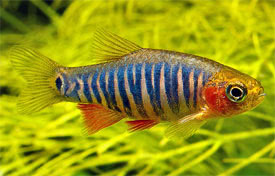
(Emerald Dwarf Rasbora)
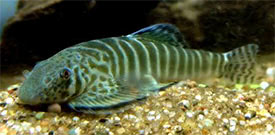
(Zebra Hillstream loach, Chinese Hillstream loach)
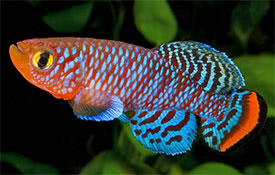
(Bluefin Nothobranch)
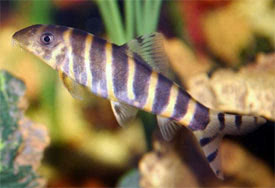
(Bengal Loach)
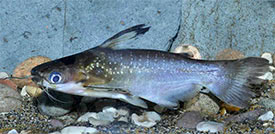
(Zamora Woodcat, Midnight Catfish)
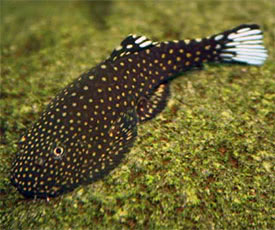
(Borneo Sucker)
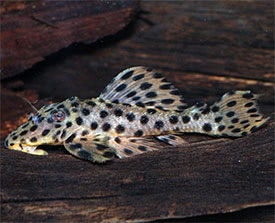
(Golden Vampire Pleco)

(Redfin Tiger Loach)