 Magyarul / Hungarian

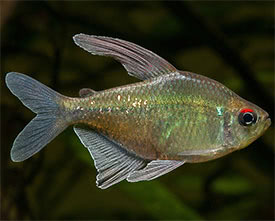


- Scientific name: Moenkhausia pittieri
- Synonyms: Opisthanodus haerteli (Ahl, 1935)
- Common name: Diamond Tetra
- Group: Characins
- Distribution: South America; Venezuela, endemic to Lake Valencia basin.
- Size: 6 cm
- Biotope: Found in shallow, slow-flowing densely vegetated waters.
- Social behavior: A peaceful shoaling fish, that can be a good choice for a community aquarium. They should be kept in a small group of 6-8 specimens, so they become less skittish, and the males will also look better when they kept with rival males.
- Diet: Omnivorous; not a picky eater, it will eat all kinds of foods, but should also be offered regular meals of small live and frozen foods to maintain its color.
- Breeding: Hard
- Tank: Minimum 70 litres
- Population: 6-8 fish for 100 litres
- Decoration: They look good in a densely planted tank. Or they can be kept in a South American biotope setup too, that would be very simple to arrange: use river sand as substrate and place some tree branches or roots into the tank. A few handfuls of dried leaves would complete the natural feel. The lighting should be dimmed, so the use of some floating plants is advisable.
- Temperature: 24-28 °C
- pH: 5.5-7.0
- Hardness: 5.0-12.0 dGH
- Lifespan: 3-6 years
Males are slightly larger and slimmer than females with more reflective scales on their body, and they also develop beautiful, extended fins with a violet sheen as they mature.
For breeding a small separate tank is enough with a few clumps of fine-leaved plants such as java moss where the females can depostit the eggs, or some kind of mesh with a large enough grade so the eggs can fall through it and can protect the eggs from the adults. The aquarium should be very dimly lit and the water should be acidic (pH 5.5-6), very soft (1-5 dGH) with a temperature of 27-29 °C. The use of RO water is also a good idea, and filtering the water through peat is also useful. They can be spawn in pairs or in a small group, but either case condition them with plenty of small live and frozen foods. When conditions are to their liking the fish should begin to spawn the following morning. The parents will eat the eggs, so after spawning they should be removed from the tank. The eggs hatch in 24-36 hours, and the larvae become free-swimming after another 3-4 days. The fry can be fed with very small live foods or with liquid fry food for the first days, until they are large enough to accept brine shrimp nauplii. Young fish's coloration is often misleading, as it is very plain and dull, nothing of the shimmering, diamond-like coloration of the adult fish.
http://www.fishbase.org/summary/Moenkhausia-pittieri.html
http://www.seriouslyfish.com/species/moenkhausia-pittieri
https://fish.mongabay.com/species/Moenkhausia_pittieri.html
https://en.wikipedia.org/wiki/Diamond_tetra
http://www.tfhmagazine.com/details/articles/firstever-photos-of-diamond-tetras-in-their-natural-habitat.htm

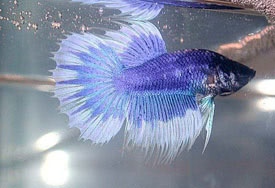
(Betta, Siamese fighting fish)

(Honey gourami)
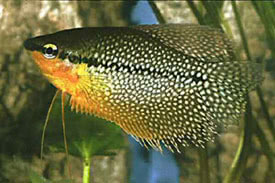
(Pearl gourami)

(Firehead tetra)
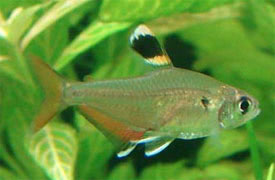
(Bentos Tetra, White Tip Tetra)
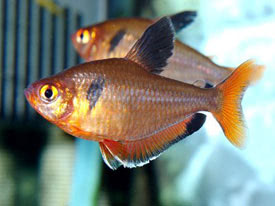
(Serpae Tetra)
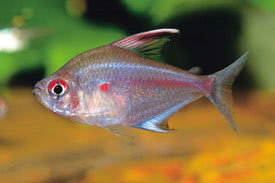
(Bleeding heart tetra)
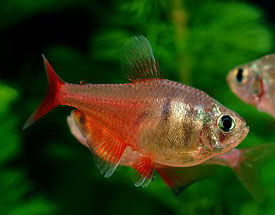
(Flame tetra, Red tetra)
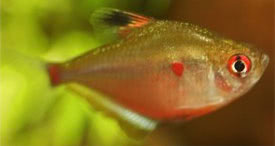
(Lesser bleeding heart tetra)
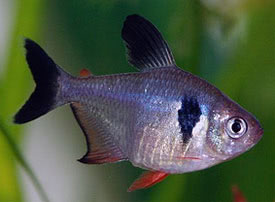
(Black phantom tetra)
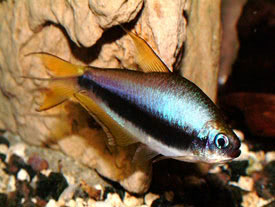
(Emperor tetra)
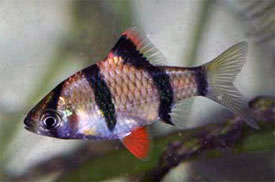
(Tiger barb)
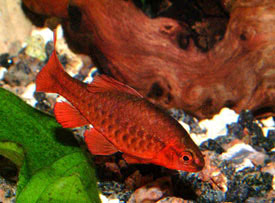
(Cherry barb)
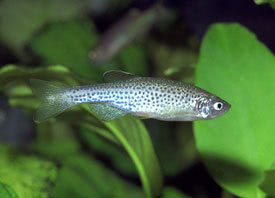
(Leopard danio)
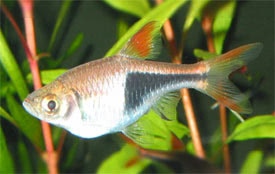
(Harlequin rasbora)
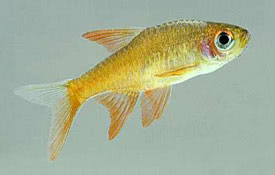
(Orange-finned barb)
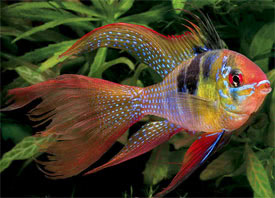
(Butterfly cichlid)

(Clown botia, Clown loach)
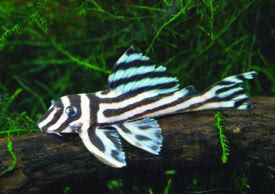
(Zebra pleco)
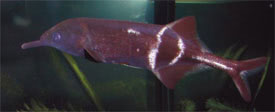
(Elephant nose)

(Neon rainbow)

(Bluegreen lampeye)
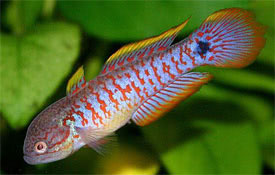
(Peacock gudgeon)
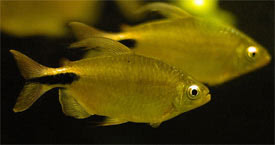
(Long-finned characin)
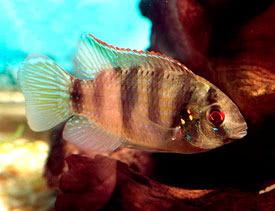
(African butterfly cichlid)
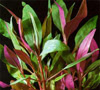
(Red hygrophila)
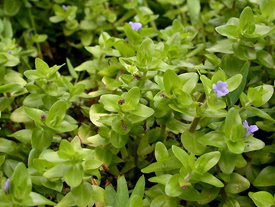
(Giant bacopa)
(African fern, Congo fern)
(Yellow cabomba, Giant cabomba)

(Tiger lotus)